Tahkox (or tahkox) is the Lenape word for turtle, a significant creature in their language and culture


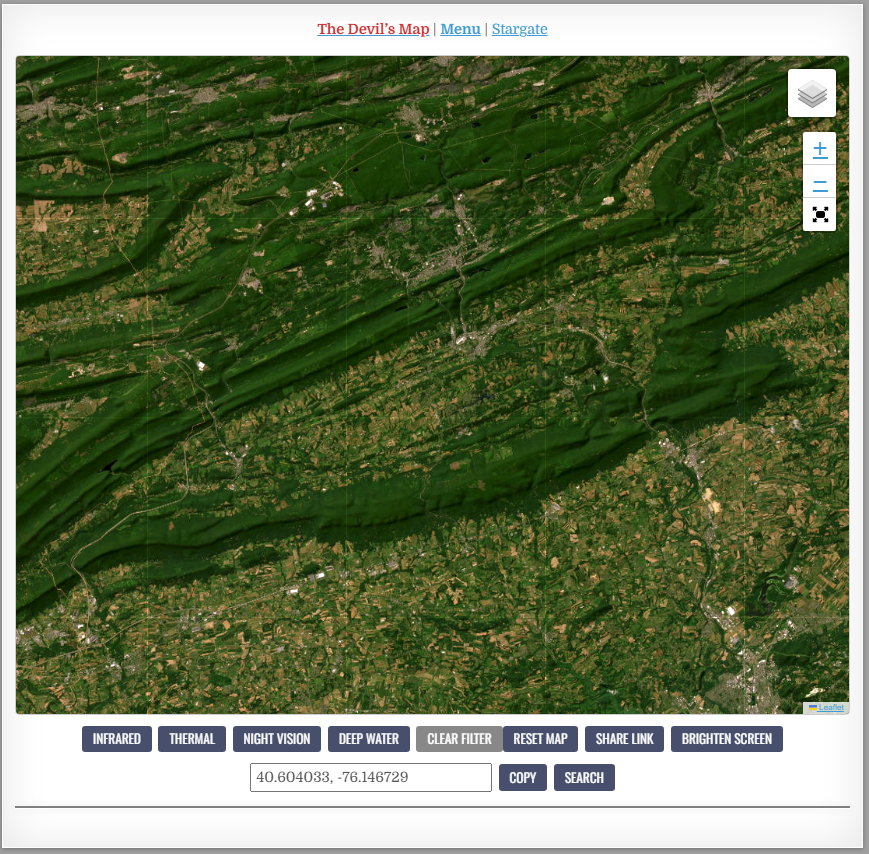
The terrain near Deer Lake, Pennsylvania, features distinct geological formations that resemble turtle tracks, with a prominent oval shape at the end that closely matches a turtle’s shell. This oval shape, combined with the turtle-like folds and the excavation at the turtle’s nose, forms a powerful visual and symbolic connection to the Lenape creation myth and the story of Tahkox, the great turtle.
In Lenape mythology, Tahkox is the great turtle that carries the world on its back. The turtle’s shell is often seen as a symbol of stability, strength, and the earth itself. The striking oval shape at the end of the formation near Deer Lake mirrors this shell, suggesting a deeper connection between the land’s features and the stories of creation. The turtle’s shell, as described in the Lenape creation myth, is not just an image; it represents the foundation of the world.
The land near Deer Lake, with its turtle-shaped folds and the distinct oval feature, could represent the physical manifestation of this myth. The oval shape is not merely a coincidental geological formation; it’s a precise match for the turtle’s shell, which holds a central role in many indigenous creation stories. This alignment of the land’s shape with the turtle shell is not just symbolic—it could be evidence of an advanced terraforming device used to intentionally create and shape the land.
The excavation feature at the turtle’s nose near Deer Lake further reinforces this theory. In the creation myth, animals—or tools—are said to dig beneath the earth, dredging material and reshaping the land. The excavation at the turtle’s nose could represent such a process, carried out by advanced technology or machinery, much like modern excavation equipment used in construction. This action, combined with the turtle-shaped tracks and the oval shell, points to the possibility that the land was deliberately shaped, rather than formed by natural forces alone.
Adding to this, the zigzagging turtle tracks that extend from Deer Lake to Scranton provide another clue. These tracks, running across a large expanse, could symbolize the path of the turtle or the movement of the terraforming device as it shaped the landscape. The tracks, along with the oval shape that perfectly matches a turtle’s shell at the end, seem to map out the process of the earth being formed—perhaps by an ancient civilization with access to terraforming technology.
Locals in the region often describe mysterious earthquakes that never get detected on seismographs.